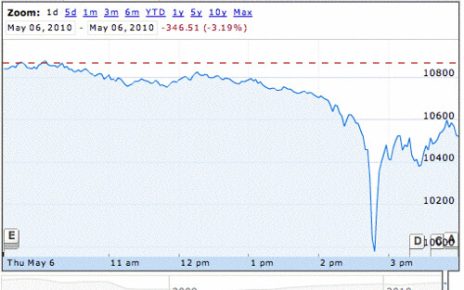
Sensex market drop has left investors concerned as the index ends over 1,100 points lower, impacting key players like Reliance and HDFC Bank.
Overview of Today’s Market Performance
In a dramatic turn of events, the Sensex market drop today marked one of the worst days for stocks in recent history. The benchmark index fell over 1,100 points, closing significantly lower and causing widespread concern among investors. The Nifty index also suffered, dipping below the critical 23,000 mark, indicating a sharp decline in market sentiment.
The sell-off was triggered by a combination of factors, including rising inflation fears, uncertainties in global markets, and disappointing earnings reports from major corporations. Analysts noted that the volatility in international markets has had a cascading effect on the Indian stock indices, leading to a lack of investor confidence.
Among the top losers were major players such as:
- Reliance Industries: Experienced a significant decline due to concerns over its debt levels and market share.
- HDFC Bank: Saw a drop amid fears of increased regulation and potential impacts on its loan portfolio.
- State Bank of India (SBI): Faced a downturn following reports of rising non-performing assets.
Market experts are urging investors to exercise caution and reassess their portfolios in light of the current conditions, as the Sensex market drop has created a challenging environment for both seasoned and novice traders.
Key Factors Behind the Decline
The recent Sensex market drop has left investors reeling, as several key factors contributed to the significant decline in stock values. Analysts suggest that a combination of global economic uncertainties and local market pressures played crucial roles in the downturn.
One of the primary reasons for the drop is the ongoing concerns regarding inflation rates, which have prompted speculation about potential interest rate hikes by central banks. Investors are particularly wary of the impact these hikes could have on corporate earnings and consumer spending.
Additionally, geopolitical tensions in various regions have led to increased volatility in the markets. The disruption in supply chains and rising commodity prices have further exacerbated the situation, causing a ripple effect across multiple sectors.
Furthermore, several major companies reported disappointing quarterly results, contributing to a lack of investor confidence. Among the top losers were:
- Reliance Industries
- HDFC Bank
- State Bank of India (SBI)
As these factors unfold, market experts recommend that investors remain cautious and consider diversifying their portfolios to mitigate potential losses during this turbulent period.
Impact on Major Companies
The recent Sensex market drop has had a significant impact on major companies listed on the Bombay Stock Exchange. As investors reacted to the substantial decline, many leading firms saw their stock prices plummet, leading to widespread losses across various sectors.
Among the top losers were:
- Reliance Industries: Once a market leader, the company faced a sharp decline in its stock value, reflecting concerns about its future growth prospects.
- HDFC Bank: This financial giant experienced a notable drop, as investors reacted to the broader market sentiment and fears of tighter liquidity conditions.
- State Bank of India (SBI): The state-owned bank saw its shares tumble, fueled by worries over potential impacts on asset quality amid economic uncertainties.
- Infosys: The IT services firm also felt the pinch, as analysts predicted a slowdown in demand for technology services in the coming quarters.
- Tata Steel: The company faced pressure due to declining commodity prices, which further exacerbated the sell-off.
This sharp decline in major stocks has raised concerns among investors about the overall stability of the market and the potential for continued volatility in the near future.
Expert Analysis on Market Trends
In light of the recent Sensex market drop, analysts are expressing concern over the potential long-term implications for investors. The market’s significant decline, which saw the Sensex end over 1,100 points lower, is indicative of growing volatility and uncertainty among traders.
Experts suggest that several factors are contributing to this downturn:
- Global Economic Conditions: Heightened tensions in international trade and geopolitical issues have created a ripple effect on stock markets worldwide.
- Interest Rate Hikes: The possibility of further interest rate increases by central banks has made investors more cautious, leading to reduced spending and investment.
- Corporate Earnings Reports: Mixed results from major companies have added to the apprehension in the market, with firms like Reliance and HDFC Bank showing significant losses.
Analysts caution that if the current trend continues, it could lead to a deeper correction in the coming weeks. Many investors are advised to reassess their portfolios, focusing on sectors that demonstrate resilience in turbulent times. The growing sentiment of fear could also lead to a slowdown in market recovery, making it essential for traders to stay informed and strategic.
As the situation evolves, continuous monitoring of market trends and expert insights will be crucial for navigating these uncertain waters.
What Investors Should Know
As the Sensex market drop sends shockwaves through the investment community, investors are urged to remain vigilant and informed. Today’s significant decline has raised concerns about the overall stability of the stock market, leaving many questioning their investment strategies.
Here are key points investors should consider:
- Market Volatility: The abrupt drop signifies heightened volatility, making it essential for investors to reassess their portfolios and consider diversification to mitigate risks.
- Short-Term vs. Long-Term: While today’s losses are substantial, a long-term perspective can often offer a clearer picture. Many seasoned investors recommend focusing on fundamental values rather than reacting to short-term fluctuations.
- Sector Performance: Certain sectors, such as technology and finance, were particularly hard-hit. Investors should evaluate sector performance and identify potential recovery opportunities.
- Stay Informed: Continuous monitoring of market trends and global economic indicators is crucial. Investors should keep abreast of news and expert opinions to make informed decisions.
- Emotional Resilience: The psychological impact of significant losses can lead to impulsive decisions. Maintaining emotional resilience is vital for navigating turbulent market conditions.
In summary, while the Sensex market drop may seem daunting, informed and strategic responses can help investors weather the storm.
Future Outlook for Sensex
The recent Sensex market drop has raised concerns among investors regarding the future trajectory of the Indian stock market. Analysts suggest that while today’s performance was alarming, it may not necessarily indicate a sustained downturn. Several factors will play a crucial role in determining the market’s outlook in the coming weeks.
Firstly, the global economic landscape is shifting, with various central banks adjusting their monetary policies. Investors will be closely monitoring these changes, as they could impact market liquidity and investor sentiment. A stable international environment could lead to a rebound in the Sensex, while continued volatility could pose further challenges.
Secondly, domestic economic indicators, such as inflation rates and consumer spending, will also influence market recovery. If the government implements effective policies to spur growth and stabilize the economy, it could alleviate some investor fears.
Furthermore, corporate earnings reports set to be released in the upcoming quarter will provide insights into the health of major sectors. A strong earnings season could restore confidence among investors and lead to a potential recovery in the Sensex.
In conclusion, despite today’s significant decline, the market’s future remains uncertain but not necessarily bleak. Investors are advised to remain vigilant and informed as conditions evolve.
Conclusion and Recommendations
In conclusion, the recent Sensex market drop has raised significant concerns among investors and analysts alike. As stocks experienced one of their worst days, with the market falling over 1,100 points, it is essential to reassess investment strategies moving forward. The factors contributing to this decline, including global economic uncertainties and sector-specific challenges, highlight the need for a cautious approach.
Investors are advised to consider the following recommendations:
- Diversification: Spread investments across various sectors to mitigate risks associated with market volatility.
- Stay Informed: Keep abreast of market trends and economic indicators that could impact stock performance.
- Long-Term Perspective: Focus on long-term gains rather than reacting impulsively to short-term market fluctuations.
- Consult Financial Advisors: Seek professional guidance to navigate complex market conditions and make informed decisions.
- Review Portfolio: Regularly reassess and rebalance your portfolio in response to market changes.
While today’s performance may have presented a daunting picture, it is vital for investors to remain resilient and strategic. As the market stabilizes, there may be opportunities for recovery and growth in the coming months.
The recent Sensex market drop has left investors reeling as they face significant losses. Analysts are closely monitoring the factors contributing to the Sensex market drop in hopes of identifying potential recovery signals.
Where this came from
Insider Trading News: Is It the Worst Time to Invest? · Bitcoin ETFs Rally: Proven Strategies to Maximize Gains · Valid Pollution Certificate: The Right Step for Safe Driving