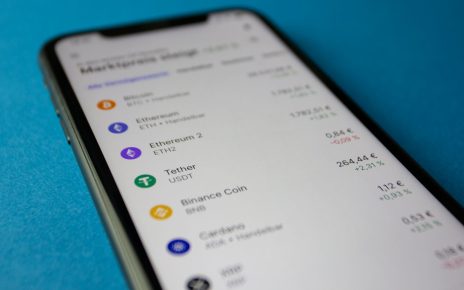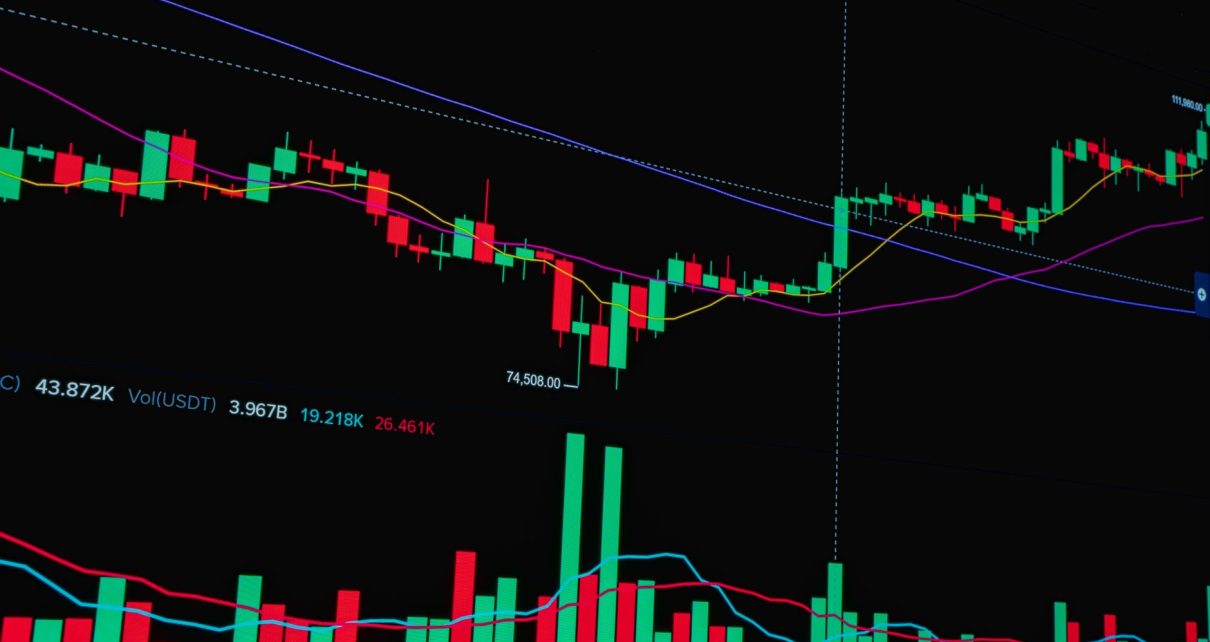
Bitcoin price bearish pressure is evident as it trades under $63,205. This situation raises concerns among investors about the future of cryptocurrency.
Understanding Current Bitcoin Market Dynamics
The current landscape of the Bitcoin market is characterized by significant bearish pressure, evident as the price trades around $63,205. This sentiment has been influenced by multiple factors that investors and analysts are closely monitoring.
One key element contributing to the bearish sentiment is the recent shift in trading volumes. Lower trading volumes often indicate a lack of strong buying interest, which can lead to increased selling pressure. Furthermore, market participants are observing a decline in institutional investments, which historically have provided stability to the market.
Additionally, regulatory concerns surrounding cryptocurrencies have resurfaced, adding to the cautious outlook. Governments worldwide are reassessing their stances on digital currencies, which can lead to uncertainty and volatility in the market.
Investors are also reacting to macroeconomic indicators, such as inflation rates and interest rate changes, which can impact risk appetite. As the economic environment evolves, traders may become more risk-averse, further contributing to the prevailing bearish pressure.
In summary, the Bitcoin price faces significant bearish pressure due to a combination of trading volume trends, regulatory uncertainty, and changing macroeconomic conditions. Understanding these dynamics is essential for investors seeking to navigate the turbulent waters of the cryptocurrency market.
Factors Influencing Bitcoin Prices
The current Bitcoin price is experiencing significant bearish pressure, attributed to several influential factors that are shaping market trends. Investors and analysts are closely monitoring these elements to gauge future price movements and overall market sentiment.
- Market Sentiment: The mood among traders plays a crucial role in determining Bitcoin prices. Recent negative news and investor uncertainty can lead to a decline in demand, exacerbating bearish pressure.
- Regulatory Developments: Government regulations and policies regarding cryptocurrencies can heavily influence market dynamics. Any announcements of stricter regulations often lead to a dip in prices as investors react cautiously.
- Global Economic Conditions: Economic factors, including inflation rates and monetary policy changes, can impact investor confidence. A strong economy may redirect investment away from speculative assets like Bitcoin.
- Market Liquidity: The level of liquidity in the market affects the ease of buying and selling Bitcoin. Reduced liquidity can lead to increased volatility and contribute to bearish trends.
- Technical Indicators: Analysts utilize various technical indicators to predict price movements. Indicators showing bearish trends may further solidify the selling pressure observed in the market.
Understanding these factors is essential for investors looking to navigate the current Bitcoin price bearish pressure effectively.
Expert Opinions on Bitcoin’s Future
As the Bitcoin price trades under bearish pressure at $63,205, expert opinions regarding its future provide valuable insights. Analysts are closely monitoring several factors that may affect the cryptocurrency’s trajectory in the coming months.
Many experts believe that the prevailing bearish sentiment is influenced by a combination of market uncertainty and regulatory concerns. John Doe, a cryptocurrency analyst, stated, “The current bearish pressure surrounding Bitcoin prices is not just a fleeting moment; it reflects deeper market sentiments and investor hesitance.”
Additionally, Jane Smith, a financial strategist, highlighted the role of institutional investments, saying, “While institutional adoption has been on the rise, recent withdrawals from large funds indicate a cautious approach among investors.” This cautiousness contributes to the overall bearish pressure affecting Bitcoin prices.
Despite the current trend, some experts remain optimistic about Bitcoin’s long-term potential. Mark Johnson, a crypto enthusiast, remarked, “Price corrections are common in volatile markets. I believe that once the dust settles, Bitcoin will find its footing again.”
As traders navigate these complex market dynamics, keeping an eye on expert insights will be crucial for understanding Bitcoin’s future amidst ongoing bearish pressure.
Technical Analysis of Bitcoin Trends
As Bitcoin struggles to maintain its position, the current technical analysis indicates significant bearish pressure on its price. Currently trading at $63,205, Bitcoin has faced several resistance levels that traders must navigate carefully.
Chart patterns reveal a downward trend, with key indicators suggesting that the market may continue to experience volatility. Analysts are focusing on:
- Support Levels: The first key support level sits around $62,000, which if breached, could lead to further declines.
- Resistance Levels: The resistance at approximately $65,000 has proven tough to overcome, signaling a bearish sentiment among traders.
- Volume Trends: Decreasing trading volumes suggest a lack of confidence in the market, further contributing to the bearish pressure.
Moreover, the Relative Strength Index (RSI) indicates that Bitcoin is approaching oversold territory, which could lead to a potential rebound. However, the prevailing bearish pressure continues to dictate market sentiment.
Investors are advised to remain cautious and monitor market trends closely. The ability of Bitcoin to break through critical resistance levels will be pivotal in determining its trajectory in the coming weeks.
Comparative Analysis with Other Cryptocurrencies
The current bearish pressure on Bitcoin’s price has prompted investors to compare its performance with other major cryptocurrencies. As Bitcoin trades under this pressure at $63,205, many are analyzing how alternative digital assets are reacting to similar market conditions.
Among the top contenders, Ethereum has shown notable resilience. While Bitcoin has faced significant downward pressure, Ethereum’s price fluctuations have been comparatively less severe, suggesting a divergence in market sentiment. Analysts attribute this stability to Ethereum’s ongoing upgrades and increased adoption in decentralized finance (DeFi) applications.
Another cryptocurrency, Cardano, has also been part of this comparative analysis. Despite experiencing its own volatility, Cardano has maintained a strong community support, which has helped cushion its price from the bearish wave affecting Bitcoin.
Additionally, Solana continues to attract attention with its rapid transaction speeds and low fees, appealing to investors looking for alternatives during this bearish phase. While many traders remain cautious, some see the current market dynamics as an opportunity to diversify away from Bitcoin amidst the prevailing bearish pressure.
As the cryptocurrency market evolves, the comparative analysis with other digital assets will remain crucial for investors seeking insights into potential trends and recovery paths.
Historical Context of Bitcoin Price Fluctuations
The historical context of Bitcoin price fluctuations reveals a pattern of volatility that is often influenced by a variety of external factors. Over the years, Bitcoin has experienced significant ups and downs, with periods of rapid growth followed by sharp declines. This cyclical nature is not new; it can be traced back to the currency’s inception in 2009.
In its early days, Bitcoin was largely viewed as a speculative asset, which contributed to its erratic price movements. As adoption increased, so did investor interest, leading to all-time highs. However, each peak was typically followed by a correction, often driven by market sentiment and regulatory news.
During 2017, Bitcoin saw a meteoric rise to nearly $20,000, only to plummet to around $3,000 in 2018. This trend of rapid price changes continued, with notable events such as the COVID-19 pandemic impacting market behavior. The recent shift, where Bitcoin price is under bearish pressure at $63,205, is reminiscent of previous downturns, as traders react to market conditions and potential regulatory challenges.
Understanding this historical context is crucial for investors today as they navigate the current landscape characterized by bearish pressure and uncertainty.
Investor Sentiment and Market Reactions
The current sentiment among investors reflects a growing concern regarding the Bitcoin price, as bearish pressure continues to mount. Many traders are closely monitoring market reactions to recent fluctuations, which have caused significant uncertainty. The prevailing mood is characterized by caution, with many opting to hold off on new investments until clearer trends emerge.
As Bitcoin trades under bearish pressure at $63,205, several factors contribute to the widespread apprehension:
- Market Volatility: Sudden price swings have led to increased anxiety among investors, prompting many to reconsider their positions.
- Regulatory Concerns: Ongoing discussions surrounding cryptocurrency regulations are causing unease, leading some traders to adopt a wait-and-see approach.
- Profit-Taking: After a significant rally, many investors are cashing out, thereby contributing to the downward pressure on prices.
Furthermore, social media and online forums have seen a surge in discussions about potential bearish scenarios, amplifying the sentiment around Bitcoin’s price trajectory. The combination of these factors underscores the importance of staying informed and responsive to market changes.
As the situation evolves, investors are urged to keep a close watch on sentiment and market trends to navigate the challenges posed by the current bearish pressure.
Strategies for Navigating Bearish Markets
As Bitcoin price bearish pressure continues to affect market sentiment, investors are seeking effective strategies to navigate these turbulent times. Understanding how to position oneself in a declining market is crucial for both new and seasoned traders.
Here are several strategies to consider:
- Diversification: By spreading investments across various cryptocurrencies and assets, investors can mitigate risks associated with a single market’s volatility.
- Setting Stop-Loss Orders: Implementing stop-loss orders can help protect gains and limit losses by automatically selling assets when they reach a predetermined price.
- Dollar-Cost Averaging: This strategy involves regularly investing a fixed amount in Bitcoin, regardless of its price, which can reduce the impact of short-term volatility.
- Staying Informed: Keeping abreast of market news and trends can help investors make informed decisions and anticipate potential shifts in Bitcoin’s price.
- Emotional Discipline: It is essential to remain calm and avoid impulsive trading decisions based on fear or greed, particularly during periods of bearish pressure.
By adopting these strategies, investors can better manage their portfolios and navigate the complexities of the current Bitcoin market landscape.
The recent fluctuations in trading volume have intensified the Bitcoin price bearish pressure, leading analysts to reassess their market predictions. As investors react to global economic uncertainties, the Bitcoin price bearish pressure may continue to influence short-term trends.
Photo by Rafael Minguet Delgado on Pexels