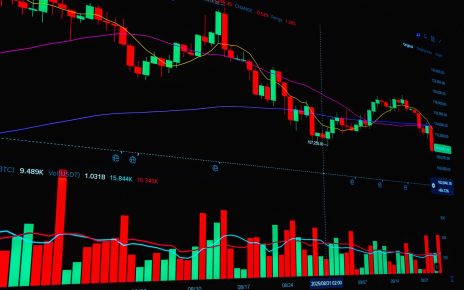
Bitcoin price drop has become a pressing issue as it slips below $60,000 due to ETF withdrawals and a broader tech selloff.
Understanding the Current Bitcoin Price Drop
The recent Bitcoin price drop has raised concerns among investors and analysts alike, as it slipped below the $60,000 mark. This decline is primarily attributed to a combination of factors, notably significant ETF withdrawals and a broader selloff in the technology sector.
As exchange-traded funds (ETFs) play a crucial role in the cryptocurrency market, their withdrawal can lead to decreased demand for Bitcoin. Market analysts have observed that as these funds pull back, it creates a ripple effect, contributing to the overall downward pressure on Bitcoin prices. Investors are reacting to the uncertainty in the market, prompting many to reassess their positions.
Additionally, the tech sector has faced its own challenges, with a notable selloff impacting numerous tech stocks. This situation has led to a more cautious approach among investors, further influencing the Bitcoin price drop. The interconnectedness of tech stocks and cryptocurrencies means that movements in one can significantly affect the other.
In light of these developments, market watchers are keeping a close eye on Bitcoin’s performance and the potential for recovery. The sentiment among investors remains cautious, as they navigate through the turbulence caused by ETF withdrawals and the tech selloff. Understanding these dynamics is essential for anyone looking to grasp the current state of the Bitcoin market.
Factors Behind the ETF Withdrawals
The recent Bitcoin price drop can be largely attributed to a series of ETF withdrawals that have shaken investor confidence. Several factors have contributed to this decline, leading to a significant impact on the cryptocurrency market.
- Regulatory Concerns: Ongoing discussions around cryptocurrency regulations have created uncertainty. Many investors are withdrawing from ETFs in anticipation of stricter guidelines, which has exacerbated the Bitcoin price drop.
- Market Sentiment: The overall sentiment in the market has turned bearish. Negative news surrounding technological advancements and performance issues in related sectors has led many to pull back on their investments in Bitcoin.
- Profit-Taking: After a significant rally, some investors are cashing out to realize profits. This selling pressure has contributed to the downward trend in Bitcoin’s value.
- Macroeconomic Factors: Economic instability and inflation fears have also played a role. As traditional markets face turbulence, investors are reevaluating their portfolios, resulting in ETF withdrawals that negatively impact Bitcoin prices.
As these factors continue to unfold, the market remains wary of further declines in Bitcoin value. The implications of the ETF withdrawals are being closely monitored, as they might signal a more extended downturn for the cryptocurrency.
Impact of Tech Selloff on Bitcoin
The recent tech selloff has significantly contributed to the Bitcoin price drop, exacerbating an already precarious market situation. As major technology stocks took a hit, investors began to reassess their portfolios, which included reallocating funds away from cryptocurrencies like Bitcoin.
Several factors are at play in this scenario:
- Market Sentiment: The overall sentiment in the tech sector has shifted, with rising interest rates and inflation concerns causing unease among investors. This uncertainty has led to a ripple effect on cryptocurrency markets.
- Liquidity Concerns: With tech giants facing potential slowdowns, liquidity has tightened. Investors are pulling back, leading to a decrease in trading volumes for Bitcoin, further driving down its price.
- Correlation with Stocks: Bitcoin has increasingly shown correlation with tech stocks, meaning that as the tech sector struggles, Bitcoin tends to follow suit. This correlation is evident in the recent downturn, where both markets have experienced declines.
As the selloff continues, analysts warn that the Bitcoin price drop may persist unless there is a significant turnaround in market conditions. For many investors, the current situation serves as a reminder of the volatility inherent in both tech stocks and cryptocurrencies.
Investor Reactions to Bitcoin’s Decline
As the Bitcoin price drop continues to make headlines, investor reactions have been varied and intense. Many investors are grappling with uncertainty, as the recent trends signal a significant shift in the market.
Some seasoned traders are adopting a cautious approach, opting to hold onto their Bitcoin despite the decline. They believe that the current price fluctuations may be temporary and are waiting for signs of recovery. Others, however, are feeling the pressure of the ongoing situation and have decided to sell their holdings to mitigate potential losses.
- Fear and Panic: A notable segment of investors is experiencing fear, leading to panic selling. Many are worried that the Bitcoin price drop could continue, prompting them to exit the market before further losses occur.
- Long-term Believers: On the other hand, there are those who remain committed to Bitcoin, viewing this drop as an opportunity to buy at a lower price. They argue that the fundamentals of Bitcoin remain strong, and the current downturn is a natural part of market cycles.
- Media Influence: The role of media coverage has also played a part in shaping investor sentiment. Headlines focusing on ETF withdrawals and tech selloff have heightened anxiety among retail investors.
In this volatile environment, the sentiment surrounding Bitcoin remains polarized, indicating a complex relationship between market dynamics and investor psychology.
Future Predictions for Bitcoin Prices
As analysts assess the recent Bitcoin price drop, many are turning their attention to future predictions that could shape the cryptocurrency market in the coming months. Various factors, including macroeconomic trends and regulatory developments, are expected to influence Bitcoin’s trajectory.
Several experts suggest that the current situation could lead to a period of increased volatility for Bitcoin. The withdrawal of funds from exchange-traded funds (ETFs) has created uncertainty among investors, prompting them to rethink their strategies. According to market analysts, this trend may continue unless there is a significant rebound in investor confidence.
Some key predictions include:
- Potential for Recovery: If institutional investors re-enter the market, we could see a reversal of the current downward trend.
- Continued Volatility: Experts anticipate that the Bitcoin price drop may lead to further fluctuations as investors react to news and market sentiment.
- Regulatory Impact: Future regulations could either stabilize or destabilize the market, depending on their nature and implementation.
While the future remains uncertain, the overall sentiment suggests that Bitcoin may need to navigate through these challenges to regain its momentum. The coming weeks will be crucial in determining whether the cryptocurrency can bounce back from this significant price drop.
Comparing Bitcoin’s Performance with Other Cryptos
As the Bitcoin price drop continues to dominate headlines, it’s essential to analyze how Bitcoin’s performance compares to other cryptocurrencies in the market. While Bitcoin remains the leading digital asset, its recent decline has raised questions about its resilience compared to other coins.
During the same period of significant ETF withdrawals, several altcoins have shown a mixed performance. Here are some notable comparisons:
- Ethereum (ETH): Despite the overall market downturn, Ethereum has managed to hold its ground relatively well, showing only a slight dip compared to Bitcoin’s sharper decline.
- Ripple (XRP): XRP experienced a minor rally, indicating that investor sentiment towards this coin remains positive, even as Bitcoin faces challenges.
- Litecoin (LTC): Litecoin has exhibited increased volatility, with some investors taking advantage of lower prices, contrasting Bitcoin’s more substantial slump.
- Cardano (ADA): Cardano has been less affected by the ETF withdrawals, maintaining a more stable price point, highlighting its unique position in the market.
In conclusion, while the Bitcoin price drop has certainly raised alarms, it is essential to recognize the varying dynamics at play within the broader cryptocurrency ecosystem. The performance of other digital assets may provide insights into potential recovery patterns for Bitcoin in the coming weeks.
Market Sentiment: What Analysts Say
As the Bitcoin price drop continues to dominate headlines, analysts are weighing in on the current market sentiment. Many experts highlight that the recent wave of ETF withdrawals has exacerbated the situation, leading to heightened uncertainty among investors.
According to a recent report by cryptocurrency analysts, the significant outflows from Bitcoin ETFs signal a loss of confidence from institutional investors. “This decline in ETF holdings reflects a broader apprehension in the market,” stated one analyst. “When large investors pull back, it sends a message that they are wary of Bitcoin’s short-term viability.”
Furthermore, some analysts believe that the tech selloff, which has impacted several sectors, has a spillover effect on cryptocurrencies. As tech stocks falter, investors may choose to liquidate their Bitcoin holdings to cover losses elsewhere, further contributing to the Bitcoin price drop.
Market sentiment is also influenced by the fear of missing out, or FOMO, turning into fear of losing out, or FOLO, as prices decline. “Retail investors are becoming increasingly cautious, which is likely to keep downward pressure on Bitcoin prices in the near term,” noted another market commentator.
In summary, the combination of ETF withdrawals and broader market trends has created a challenging environment for Bitcoin, leading analysts to predict continued volatility as investors navigate these turbulent waters.
Historical Context of Bitcoin Price Fluctuations
The historical context of Bitcoin price fluctuations reveals a pattern of volatility that has defined its existence since inception. Over the years, Bitcoin has experienced significant surges and sharp declines, often influenced by various external factors.
In its early days, Bitcoin was traded at mere cents, and it wasn’t until 2013 that it first surpassed the $1,000 mark. This milestone was followed by a steep decline, which set a precedent for the cyclical nature of its price movements. Subsequent years saw Bitcoin reaching new heights, such as the nearly $20,000 peak in late 2017, only to crash down again.
More recently, in 2021, Bitcoin achieved an all-time high of over $64,000, driven by institutional interest and broader adoption. However, this surge was accompanied by increased volatility, leading to several dramatic corrections. The most recent Bitcoin price drop has drawn attention, particularly in light of ETF withdrawals and a tech selloff that have compounded market pressures.
Investors are keenly aware of historical trends, recognizing that while Bitcoin can rebound swiftly, it can also face prolonged periods of stagnation or decline. As analysts scrutinize the current landscape, understanding the historical context of Bitcoin’s price fluctuations becomes essential for predicting future movements, especially in the wake of the latest downturn and its implications for market sentiment.
The recent Bitcoin price drop has sparked concerns among investors about the long-term stability of the cryptocurrency market. As analysts examine the factors contributing to the Bitcoin price drop, ETF withdrawals have emerged as a significant influence on market sentiment.