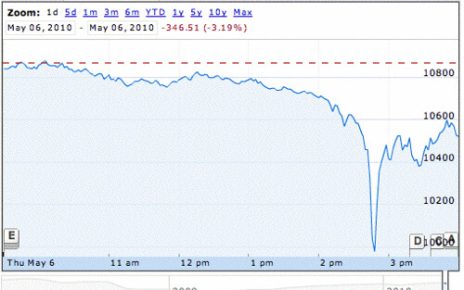
Nifty expiry prediction shows what lies ahead for the index today. Traders are keen to understand key support and resistance levels to make informed decisions.
Understanding Nifty Expiry
The Nifty expiry is a crucial event for traders in the Indian stock market, marking the end of the monthly derivative contracts. Understanding Nifty expiry is vital for making informed trading decisions. Traders closely monitor market trends, key support and resistance levels, and broader economic indicators to formulate their strategies.
As we approach this month’s expiry, several factors come into play:
- Market Sentiment: Traders often gauge the overall market mood, which can heavily influence the Nifty index’s performance.
- Technical Analysis: Analyzing charts and patterns helps predict potential price movements leading up to expiry.
- Open Interest: Watching changes in open interest can signal bullish or bearish trends, guiding traders on their positions.
- Global Cues: International market trends and economic data releases can impact Nifty expiry predictions considerably.
Effective trading strategies often involve a combination of these elements. By understanding Nifty expiry and its associated factors, traders can enhance their chances of success in this volatile environment.
Key Support Levels for Today
As traders prepare for the Nifty expiry today, it is crucial to identify the key support levels that could influence market movements. These levels act as critical indicators for determining potential price reversals or breakouts during expiry. Below are the key support levels for today:
- Support Level 1: 19,300 – This level has shown resilience in the past, providing a solid foundation for the index. Traders often look for buying opportunities near this mark.
- Support Level 2: 19,250 – A breach below this level may signal increased selling pressure, making it a vital point for traders to monitor.
- Support Level 3: 19,200 – This level serves as a psychological barrier, and if it holds, it could lead to a rebound in the Nifty index.
Understanding these support levels is essential for making informed decisions during the Nifty expiry. Traders should incorporate these key points into their trading strategy to navigate market fluctuations effectively. By doing so, they can better anticipate movements and optimize their positions ahead of the expiry.
Resistance Points Explained
In the context of Nifty expiry prediction, understanding resistance points is crucial for traders looking to refine their strategies. Resistance levels are price points where selling pressure is expected to emerge, potentially hindering upward movement. Identifying these points can help traders make informed decisions during expiry days.
For today, key resistance levels have been identified as follows:
- Resistance Level 1: 19,300 – This level has historically been a strong barrier, with multiple attempts to breach it failing in previous sessions.
- Resistance Level 2: 19,350 – A psychological level that traders watch closely; it may trigger profit-taking if surpassed.
- Resistance Level 3: 19,400 – This is a critical level where heavy selling could occur, making it essential for day traders to monitor closely.
Traders should remain vigilant and adapt their strategies based on movements around these resistance points. Strong breaks above these levels could signal bullish momentum, while failures to break could lead to bearish reversals. In summary, incorporating resistance levels into Nifty expiry prediction can enhance trading effectiveness and risk management.
Market Sentiment Analysis
As traders approach the Nifty expiry, understanding market sentiment is crucial for making informed decisions. Current trends indicate a cautious outlook among investors, driven by both macroeconomic factors and global cues. The volatility observed in recent trading sessions has led many to adopt a wait-and-see approach before taking significant positions.
Market participants are particularly focused on how upcoming economic data releases will influence market movement. Analysts are predicting that mixed signals from the global markets may lead to fluctuating prices as traders react to news and reports. Sentiment is further affected by recent geopolitical developments, which have added layers of uncertainty to the trading environment.
- Bearish Sentiment: A growing number of investors are adopting bearish strategies, anticipating potential declines in the index.
- Neutral Outlook: Some traders prefer to maintain a neutral stance, waiting for clearer signals before committing capital.
- Optimistic Predictions: A minority remains optimistic, believing that the Nifty could rally if certain economic indicators show positive results.
In this context, a well-thought-out Nifty expiry prediction can help traders align their strategies with prevailing market conditions.
Best Trading Strategies for Nifty
As traders approach Nifty expiry, selecting the right trading strategy becomes crucial for maximizing potential gains. Here are some of the best strategies to consider:
- Momentum Trading: This strategy involves identifying stocks that are moving significantly in one direction and capitalizing on this momentum. Traders can use technical indicators to pinpoint entry and exit points.
- Options Writing: Selling options can be an effective strategy during expiry, especially if traders anticipate minimal movement in the Nifty index. This approach allows for earning premium income, provided the index stays within a specific range.
- Pair Trading: This market-neutral strategy involves taking long and short positions in correlated stocks. By doing so, traders can mitigate risk while positioning themselves to benefit from relative movements.
- Scalping: This short-term strategy focuses on making quick profits on small price changes. Scalpers can take advantage of volatility during the expiry day.
Ultimately, the best trading strategy for Nifty expiry will depend on individual risk tolerance and market conditions. Staying informed about current trends and sentiments can significantly enhance the effectiveness of these strategies.
To enhance your chances of success, incorporating technical analysis into your Nifty expiry prediction can provide valuable insights. Additionally, understanding market sentiment is crucial for making informed decisions based on your Nifty expiry prediction.