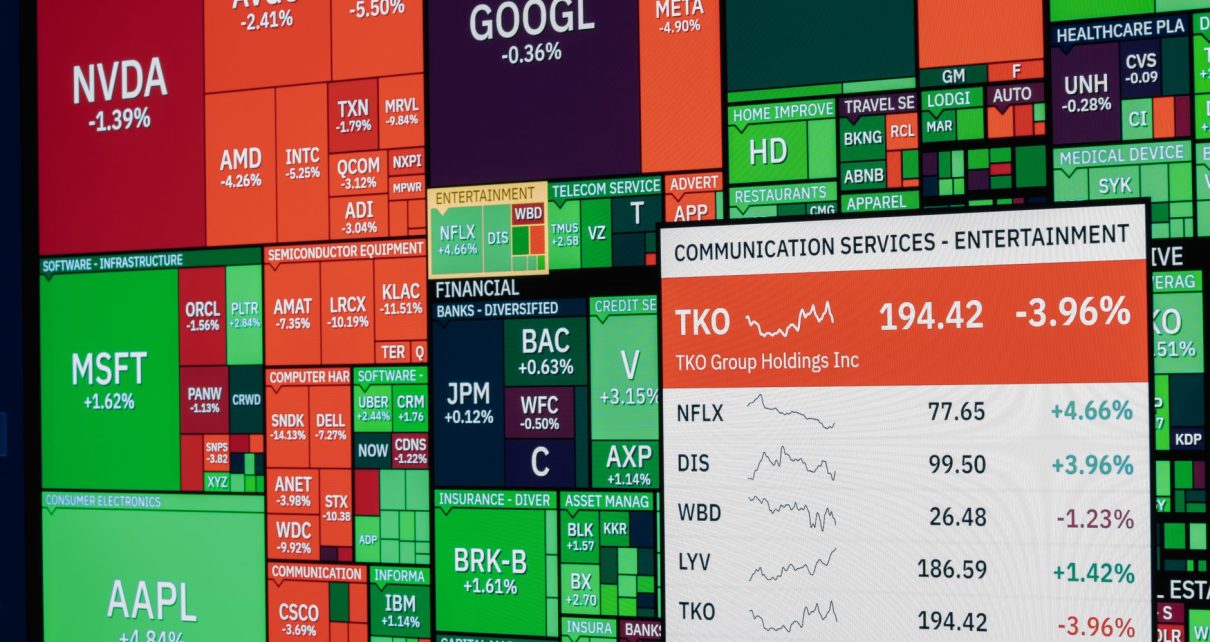
Stock market today experienced a significant decline, with the Sensex falling 1,045 points to settle at 71,593.24. This drop has raised concerns among investors regarding market stability.
Market Overview
In the stock market today, investors experienced significant volatility as major indices faced steep declines. The Sensex fell a staggering 1,045 points, closing at 71,593.24. This sharp drop is attributed to a combination of factors, including rising inflation concerns and geopolitical tensions that have unsettled the market.
The Nifty also saw a considerable decrease, finishing at 22,231.80. Analysts suggest that this downturn is a reflection of broader economic uncertainties affecting investor confidence. Many traders are now reassessing their portfolios in light of these developments, seeking to mitigate potential losses.
Market experts have emphasized the importance of staying informed during such turbulent times. They recommend that investors consider the following:
- Diversification: Spreading investments across different sectors can help reduce risk.
- Long-term perspective: Maintaining a focus on long-term goals may counteract short-term volatility.
- Continuous monitoring: Keeping up with market trends and news can aid in making informed decisions.
As the stock market today continues to fluctuate, investors are urged to remain cautious and proactive. Understanding the underlying factors contributing to these changes will be crucial in navigating this challenging landscape.
Sensex Performance
The stock market today witnessed a significant downturn, with the Sensex experiencing a steep decline. According to the latest figures, the Sensex fell by 1,045 points, closing at 71,593.24. This drop reflects growing concerns among investors regarding market volatility and economic uncertainties.
The following factors contributed to the Sensex’s poor performance:
- Global Economic Concerns: Investors are increasingly worried about inflation rates and potential interest rate hikes, which can impact market stability.
- Domestic Issues: Regulatory changes and political developments have created an atmosphere of uncertainty, leading to a lack of investor confidence.
- Sector-Specific Weakness: Certain sectors, particularly technology and finance, have seen significant selling pressure, further dragging down the index.
The Nifty also mirrored the Sensex’s decline, closing at 22,231.80. As a result, many investors are reevaluating their portfolios and considering the worst impact of such market fluctuations on their investments. While long-term investors may view this as a buying opportunity, short-term traders are facing challenges in navigating the current landscape.
As analysts assess the situation, the stock market today remains a critical focus for investors seeking to understand the potential ramifications of these developments.
Nifty Closing Figures
In today’s trading session, the Nifty index experienced a significant decline, contributing to the overall volatility in the stock market today. Closing figures indicate that the Nifty settled at 22,231.80, marking a notable drop that has raised concerns among investors.
This downturn in the Nifty was exacerbated by a broader market trend, where investors reacted to various economic indicators and global market sentiments. The closing figures reveal a sharp fall that reflects mounting apprehensions about potential economic slowdowns and rising inflation rates.
Key factors influencing the Nifty’s performance include:
- Global Market Trends: International markets showed signs of weakness, impacting investor confidence.
- Economic Indicators: Recent reports suggested a dip in consumer spending and manufacturing output.
- Interest Rate Concerns: Speculations regarding potential interest rate hikes have created a cautious atmosphere.
Investors are advised to remain vigilant and consider these factors when evaluating their portfolios. The sharp decline in the Nifty serves as a reminder of the inherent risks in the market and the importance of strategic investment decisions. As the stock market today continues to fluctuate, understanding these dynamics will be crucial for navigating future challenges.
Impact on Investors
The recent fluctuations in the stock market today have raised significant concerns among investors. With the Sensex experiencing a steep decline of 1,045 points, many are left questioning the stability of their investments and the broader market dynamics.
Investors are particularly worried about the following impacts:
- Increased Volatility: The sharp decline in stock prices can lead to heightened volatility, making it challenging for investors to make informed decisions.
- Loss of Confidence: Such drastic movements can erode investor confidence, leading to panic selling and a further dip in market prices.
- Impact on Long-Term Investments: For those with long-term goals, today’s market fluctuations may prompt a reevaluation of their portfolios, potentially leading to premature selling.
- Psychological Effects: The emotional toll of significant losses can affect decision-making, causing investors to act irrationally rather than following a sound investment strategy.
As the market continues to react to economic indicators and global events, it is crucial for investors to stay informed and consider their options carefully. The hope is that the market will stabilize soon, allowing investors to regain confidence and reassess their strategies moving forward.
Reasons Behind the Decline
The stock market today experienced a significant decline, with investors grappling with various factors contributing to the downturn. Analysts have pointed out several key reasons behind this unexpected drop.
- Global Economic Concerns: Worries about slowing economic growth in major economies have led to increased volatility in markets worldwide. Investors are cautious as they assess the potential impacts on corporate earnings.
- Rising Interest Rates: Central banks around the globe continue to raise interest rates in an effort to combat inflation. This has made borrowing more expensive, causing fears of reduced consumer spending and investment.
- Geopolitical Tensions: Ongoing geopolitical issues, including conflicts and trade disputes, have added to investor uncertainty. Such tensions can disrupt markets and lead to a risk-off sentiment among traders.
- Corporate Earnings Reports: Recent earnings reports have shown mixed results, with some companies failing to meet expectations. This has prompted investors to reassess their positions, leading to further sell-offs.
- Market Sentiment: The overall sentiment in the market has turned negative, as fears of a recession loom. This has resulted in increased selling pressure as investors look to minimize losses.
As the market continues to fluctuate, the worst impact on investors may be yet to be determined, highlighting the need for vigilance during these turbulent times.
Expert Opinions
As the stock market today witnessed a significant downturn, experts have weighed in on the implications for investors. The recent plunge, with the Sensex dropping 1,045 points to close at 71,593.24 and Nifty settling at 22,231.80, has raised concerns about market stability.
Financial analysts have highlighted several key factors contributing to the current situation:
- Global Economic Uncertainty: Continuing geopolitical tensions and inflation fears are causing investors to rethink their strategies.
- Rising Interest Rates: The prospect of increasing interest rates has put pressure on equity markets, leading to sell-offs.
- Sector-Specific Issues: Certain sectors, particularly technology and finance, are facing unique challenges that are impacting overall market performance.
According to Rajesh Kumar, a leading market analyst, “The stock market today is reflecting broader economic anxieties. Investors need to remain cautious and consider diversifying their portfolios to mitigate risk.”
Another expert, Amita Singh, suggests that “Long-term investors should focus on fundamentally strong companies, as this dip may present buying opportunities.”
With sentiments running high and uncertainty dominating the landscape, investors are urged to stay informed and make decisions based on careful analysis rather than panic.
Future Market Predictions
As investors assess the current state of the stock market today, future predictions remain a topic of significant interest and concern. Analysts are closely monitoring various economic indicators that could influence market dynamics in the near future.
Several key factors are anticipated to play a crucial role in shaping market trends:
- Interest Rates: With speculation surrounding potential interest rate hikes, investors are concerned about the borrowing costs and overall economic impact.
- Inflation Rates: Persistent inflation may lead to tighter monetary policies, which could further affect market sentiment.
- Global Economic Conditions: International economic stability, particularly in major economies, can have ripple effects on domestic markets.
- Corporate Earnings Reports: Upcoming earnings reports will be pivotal in determining the resilience of companies amidst economic challenges.
- Geopolitical Factors: Ongoing geopolitical tensions may exacerbate market volatility, influencing investor confidence.
Experts suggest that investors should remain vigilant and adapt their strategies according to the evolving landscape. While short-term fluctuations could be disconcerting, understanding the broader economic context may provide valuable insights for future investment decisions. The stock market today may face challenges, but informed investors can navigate these uncertainties with care.
Conclusion
In conclusion, the stock market today has experienced significant turbulence, with the Sensex dropping sharply by 1,045 points, settling at 71,593.24, and Nifty closing at 22,231.80. This decline has raised concerns among investors and analysts alike regarding the potential long-term effects on the market and individual portfolios.
The impact of such a steep fall is multifaceted. Investors are likely to feel the strain on their investments, particularly those who are heavily exposed to equities. The ripple effects can lead to increased volatility and a cautious approach from both retail and institutional investors. Many are now reassessing their strategies in light of recent market behavior.
Furthermore, several factors have contributed to this downturn, including geopolitical tensions, inflationary pressures, and changing monetary policies. As highlighted in previous sections, expert opinions suggest that while corrections are a normal part of market cycles, the severity of this decline calls for careful analysis and preparedness.
Looking ahead, it is essential for investors to stay informed and agile. The predictions for the future market indicate potential recovery phases, but they also warn of further fluctuations. As we navigate through these uncertain times, understanding the dynamics of the stock market today will be crucial for making informed investment decisions.
Photo by Rafael Minguet Delgado on Pexels