
If you want to get more plays on Spotify, you face a major problem:
Spotify receives over 100,000 new tracks every single day.
Simply dropping your music and hoping for the best is no longer a viable strategy. If you want real, sustainable audience growth, you need a methodical system to game the algorithm and maximize user engagement.
This in-depth guide covers the exact step-by-step framework you can use to optimize your profile, trigger Spotify’s internal algorithmic playlists, and build a high-converting promotional engine.
Let’s dive right in.
Chapter 1: The Profile Optimization Framework
Before you spend a single dollar on promotion, your “storefront” must be flawless. If a user clicks through to a messy, incomplete profile, your conversion rate from “viewer” to “listener” will plummet.
Here is how to optimize your profile for maximum conversions:
- The Brand-Aligned Header and Avatar: Your profile picture needs to look professional, but more importantly, your background banner must instantly communicate your musical identity.
- The “Conversion-Optimized” Bio: Do not treat your bio like a diary. Keep it concise. Clearly state your specific sub-genre, list 2–3 major musical influences, and highlight your single most impressive milestone (e.g., “Over 500k streams on debut single”).
- The Direct Call-to-Action (CTA): Use the “Artist Pick” feature to pin your latest release or your main focus playlist to the top of your page. Add a short text note directing new visitors exactly where to click first.
Chapter 2: How to Reverse-Engineer the Spotify Algorithm
Spotify doesn’t rank music based on personal taste; it ranks music based on user signal data.
If you want your music featured on automated playlists like Discover Weekly and Release Radar, you must feed the algorithm positive signals.
Step 1: Maximize the “Skip Rate” Buffer
The single most critical metric for Spotify’s algorithm is the retention rate of the first 30 seconds of your song. If a listener skips your track before the 30-second mark, it tells the algorithm that the song is low quality or poorly targeted.
The Actionable Tactic: Structure your tracks to hook the listener immediately. Avoid long, experimental intros on your primary radio edits. Get to the core melody or the chorus within the first 15 to 20 seconds.
Step 2: Drive High-Intent Engagement (The “Save” Metric)
A stream is a weak signal. A “Save” or a “Playlist Add” is a high-intent signal. When a user saves a song to their library, Spotify heavily weights that action in its recommendation engine.

Why This Works: Spotify’s primary goal is user retention. If users repeatedly save your track, Spotify knows that recommending your song will keep users inside the app longer.
Chapter 3: The Systematic Playlist Pitching Strategy
Getting your music onto curated playlists is the fastest way to scale your plays. However, relying solely on cold pitches rarely works. You need a two-pronged approach.
1. The Official Spotify Editorial Pitch
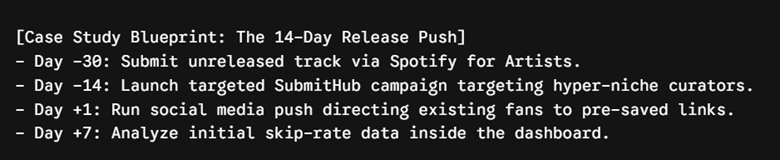
You must submit your unreleased music through the Spotify for Artists dashboard at least 3 to 4 weeks before release. This gives editorial curators enough time to review the track and guarantees placement on your followers’ Release Radar playlists on release day.
2. Independent Curator Outreach (Using SubmitHub)
Do not blind-message curators on Instagram. Instead, use data-backed platforms like SubmitHub to filter curators specifically by their genre preference, historical acceptance rates, and listener engagement metrics.
Chapter 4: The 4-Step Social Distribution Engine
Social media traffic is highly valuable, but only if it converts into active Spotify streams.
Step 1: Deploy Direct-Link Infrastructure
Never post a raw Spotify link on platforms like Instagram or TikTok. Users hate leaving their native app to open another app. Instead, use a smart-link provider (like Feature.fm or Linktree) that automatically routes the user directly into the Spotify mobile app with a single click.
Step 2: Leverage Short-Form Video Loops
Create 15-second visual hooks for TikTok, YouTube Shorts, and Instagram Reels.
Instead of a generic “Listen to my new song” post, use high-performing content formats:
- Behind-the-scenes breakdown of how you produced a specific sound.
- Mini-narratives or music video teasers with text overlays detailing the emotional story behind the lyrics.
Step 3: Run Micro-Influencer Collaborations
Find creators on TikTok and Instagram who have highly engaged audiences within your niche culture (e.g., streetwear, gaming, or lo-fi study aesthetics). Partner with them to use your track as the background audio for their content. This exposes your music to an established, highly targeted audience.
Chapter 5: Advanced Promotional Tactics (Paid Traffic and Boosts)
Once your organic foundation is stable, you can scale your results using targeted paid traffic.
Tactic A: Spotify Ad Studio
Spotify’s native ad platform allows you to target users while they are actively listening to music.
- Hyper-Targeted Demographics: Filter your target audience by age, location, and precise musical taste.
- The “Similar Artist” Hack: Set your ads to target listeners of specific, larger artists who make music similar to yours. This guarantees that your audio ad reaches users with a pre-existing affinity for your style.
Tactic B: High-Intent Social Media Ads
Run conversion-focused video ads on Meta (Facebook and Instagram) targeting “Lookalike Audiences” built from your existing fan base. Set the campaign objective to “Traffic” or “Conversions,” routing users to your smart-link page.
Tactic C: Safe Algorithmic Acceleration via LenosTube
If you choose to use third-party growth services to jumpstart your metrics, you must avoid cheap bot networks. Low-quality bots drop plays instantly, trigger high skip rates, and can get your music permanently banned from the platform.
For a safe, compliant boost, look at specialized platforms like smm panel Spotify services.
Why This Works: Unlike automated bot scripts, services that focus on organic growth deliver natural plays and consistent follower increments from real active accounts over time. This mimics natural viral growth, safe-guarding your profile while providing the baseline data needed to trigger Spotify’s organic algorithmic recommendations.
Chapter 6: Retention, Community, and Long-Term Scale
Acquiring a listener is only half the battle. Retaining them is what builds a career.
1. Build a Direct Feedback Loop
Actively respond to every comment, direct message, and mention across your social platforms. Treat your early listeners like a street team. When fans feel a personal connection to the creator, their lifetime value as a listener increases dramatically.
2. Leverage User-Generated Content (UGC)
Encourage your fans to use your music in their own content. Run simple challenges or open-verse initiatives on TikTok.
| Key Takeaway: When a listener creates a video using your audio, they become an active marketer for your brand, introducing your track to their entire personal network for free. |
3. Music Blog and PR Syndication
Pitch your backstory and upcoming releases to niche music blogs within your genre. While music blogs may drive fewer raw plays than a major playlist, the traffic they do generate is highly qualified. Blog features provide valuable SEO backlinks and social proof that you can use to pitch higher-tier Spotify editorial curators later.
Conclusion
To recap, here is your step-by-step action plan to maximize your plays:
- Complete a full audit of your profile image, banner, and bio.
- Set your “Artist Pick” with a clear, high-converting CTA.
- Structure your upcoming tracks to maximize the first 30 seconds of retention.
- Pitch your unreleased tracks to Spotify Editors 3–4 weeks prior to release.
- Launch structured SubmitHub campaigns to tap into independent playlists.
- Use smart-links across all social bio sections to ensure direct app routing.
- Deploy targeted Spotify and Meta ads targeting fans of similar artists.
- Cultivate high-retention fan engagement via direct messaging and UGC.