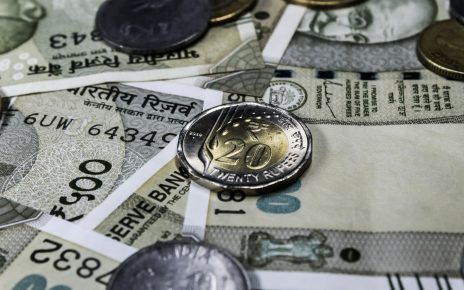
India retail inflation has reached 6.09%, surpassing the Reserve Bank of India’s upper tolerance limit. This rise raises concerns about the economic impact on consumers and businesses alike.
Understanding India’s Inflation Rise
India’s retail inflation has seen a notable increase, rising to 6.09%, which surpasses the Reserve Bank of India’s (RBI) upper tolerance limit. This surge in inflation is causing concerns among consumers and policymakers alike. Understanding the factors contributing to this rise is crucial for assessing its impact on daily life.
Several key elements are driving the inflationary trend:
- Food Prices: A significant contributor to the overall inflation rate, food prices have been highly volatile due to erratic weather patterns and supply chain disruptions. Essentials like vegetables and pulses have seen sharp price increases, straining household budgets.
- Fuel Costs: Rising fuel prices have a cascading effect on various sectors, leading to increased transportation and production costs. This, in turn, affects the prices of goods and services, further fueling inflation.
- Global Economic Conditions: The ongoing geopolitical tensions and fluctuations in global markets have also played a role in elevating input costs for many industries, thereby impacting retail inflation.
The RBI’s mandate includes maintaining inflation within a target range, and the current figure raises questions about the effectiveness of monetary policy. As consumers brace for higher prices, the long-term implications of this inflation rise remain to be seen.
What Causes Retail Inflation?
Retail inflation in India has various underlying causes that contribute to its fluctuations. Understanding these factors is essential for consumers trying to navigate the economic landscape.
One significant cause of retail inflation is rising commodity prices. When the prices of essential goods such as food and fuel increase, consumers feel the pinch. Factors contributing to this rise include:
- Supply Chain Disruptions: Interruptions due to natural disasters, pandemics, or geopolitical tensions can lead to shortages, driving prices up.
- Increased Demand: A surge in demand, particularly post-pandemic, can outstrip supply, pushing prices higher.
- Global Market Influence: International prices of crude oil and agricultural products can affect domestic inflation rates, as India imports a significant portion of these goods.
Another factor impacting retail inflation is monetary policy. When the Reserve Bank of India (RBI) adjusts interest rates, it can influence borrowing costs and consumer spending, both of which directly affect inflation rates.
Additionally, government policies regarding taxes and subsidies also play a vital role. Changes in Goods and Services Tax (GST) rates can lead to immediate price adjustments in various sectors.
In summary, understanding the causes of retail inflation in India is crucial for consumers who want to manage their budgets effectively.
Impact of Inflation on Consumers
The recent increase in India retail inflation to 6.09% has raised concerns among consumers, as it exceeds the Reserve Bank of India’s upper tolerance limit. This situation has significant implications for households across the country.
As inflation rises, consumers often face higher prices for essential goods and services. The impact can be felt in several areas:
- Food Prices: The cost of everyday items such as vegetables, fruits, and grains has surged, straining budgets.
- Fuel Costs: Increased fuel prices not only affect transportation but also lead to higher prices for goods due to increased logistics costs.
- Housing Expenses: Rising inflation can lead to increased rent and utility bills, further squeezing disposable income.
- Consumer Confidence: As prices climb, consumers may become more cautious, leading to reduced spending, which can affect overall economic growth.
Moreover, the psychological impact of inflation can lead to uncertainty. Consumers may start to adjust their purchasing habits, opting for cheaper alternatives or delaying purchases of non-essential items. This shift can have a ripple effect on businesses, leading to slower sales and potential layoffs.
In summary, the rise in India retail inflation to 6.09% poses challenges for consumers, prompting a need for careful financial planning.
RBI’s Response to Inflation Trends
The Reserve Bank of India (RBI) has been closely monitoring the rising retail inflation in India, which recently hit 6.09%, surpassing its upper tolerance limit. In response to this concerning trend, the RBI has indicated a potential shift in its monetary policy approach.
Central bank officials are weighing their options to mitigate the effects of inflation on consumers, as rising prices can significantly impact household budgets. The RBI’s primary objective is to maintain price stability while promoting economic growth.
Key points regarding the RBI’s response include:
- Interest Rate Adjustments: The RBI may consider increasing interest rates to curb inflation. Higher rates can help reduce consumer spending and investment, ultimately leading to lower price growth.
- Inflation Forecasts: The RBI has revised its inflation forecasts for the upcoming quarters, taking into account various factors such as food prices and global economic conditions.
- Communication Strategy: The RBI intends to enhance its communication regarding inflation trends and policy measures, ensuring that consumers and markets are well-informed.
As the situation evolves, consumers and businesses alike will be keenly observing the RBI’s actions aimed at addressing the challenges posed by retail inflation in India.
India retail inflation has raised concerns among consumers as prices of essential goods continue to rise. With the current rate at 6.09%, many are questioning whether India retail inflation will impact their purchasing power in the coming months.