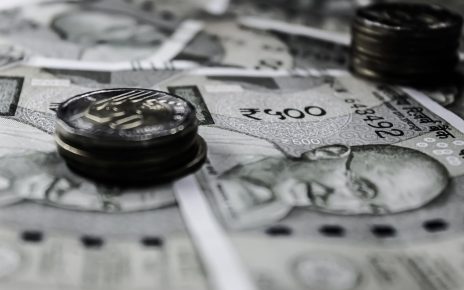
India retail inflation has crossed the RBI’s upper limit, primarily driven by rising food prices. This surge raises significant concerns for consumers and policymakers alike.
Understanding India’s Retail Inflation
India’s retail inflation has recently crossed the Reserve Bank of India’s (RBI) upper limit, raising significant concerns among economists and policymakers. This surge in inflation is primarily driven by escalating food prices, which account for a substantial portion of the Consumer Price Index (CPI). As the cost of essential items continues to rise, households are feeling the pinch, leading to a shift in consumer spending patterns.
The key factors contributing to this inflationary trend include:
- Supply Chain Disruptions: Ongoing supply chain challenges have hindered the availability of various food items.
- Adverse Weather Conditions: Unpredictable weather patterns have affected agricultural output, pushing food prices higher.
- Global Economic Factors: The international market’s volatility has also impacted local food prices.
These elements highlight the complexities surrounding India’s retail inflation and its implications for economic stability.
Factors Driving Inflation in India
Several factors are driving the rise in India retail inflation, raising concerns among economists and policymakers alike. The most significant contributors include:
- Food Prices: A notable surge in food prices has been observed, particularly in essentials such as vegetables and pulses.
- Supply Chain Disruptions: Ongoing supply chain issues, exacerbated by global events, have led to increased costs for various goods.
- Fuel Prices: Rising fuel prices continue to impact transportation costs, which in turn affects the pricing of goods and services.
- Monsoon Variability: Unpredictable monsoon patterns have influenced agricultural output, further straining food supply.
These factors collectively contribute to the challenges in managing inflation, highlighting the need for effective policy interventions.
Impact of Food Prices on Inflation
The recent surge in India’s retail inflation has been heavily influenced by rising food prices, which have become a pressing concern for consumers and policymakers alike. As essential commodities see price hikes, the overall inflation rate has breached the Reserve Bank of India’s (RBI) upper limit, signaling potential economic instability.
Key factors contributing to this trend include:
- Supply Chain Disruptions: Adverse weather conditions and logistical challenges have impacted the availability of food items.
- Increased Demand: A post-pandemic recovery has led to higher consumption patterns, further straining food supplies.
- Global Market Trends: Rising international prices for key agricultural products have also trickled down to the domestic market.
As food prices continue to escalate, the implications for India’s retail inflation remain a significant concern for the overall economy.
RBI’s Response to Rising Inflation
In response to the surge in India retail inflation, which has now breached the Reserve Bank of India’s (RBI) upper threshold, the central bank is considering a series of measures to stabilize prices. The RBI has indicated its commitment to controlling inflation to ensure economic stability.
Among the potential actions discussed are:
- Interest rate hikes: The RBI may raise interest rates to curb consumer spending and cool down inflationary pressures.
- Liquidity management: Strategies may be implemented to absorb excess liquidity from the market, which can contribute to rising prices.
- Monitoring food supply: Enhanced efforts to manage the supply chain for essential commodities could help mitigate spikes in food prices.
As the situation evolves, the RBI’s proactive stance will be crucial in addressing the challenges posed by escalating inflationary trends.
Consumer Sentiment Amid Inflation
As India retail inflation reaches the upper limit, consumer sentiment reflects growing concerns about rising prices. Many households are feeling the pinch, leading to changes in spending habits.
Recent surveys indicate that:
- Budget Constraints: Over 60% of consumers are adjusting their budgets to cope with the increased cost of living.
- Essential Goods: Shoppers are prioritizing essential goods, often cutting back on discretionary spending.
- Future Outlook: Many consumers are pessimistic about the near-term economic outlook, fearing that inflation may persist.
As prices soar, particularly for food items, the impact on daily life is evident. This shift in consumer behavior may have significant implications for the broader economy, potentially stalling growth as households tighten their belts.
Future Projections for India’s Economy
As India retail inflation continues to hover around the upper limit set by the Reserve Bank of India (RBI), economic analysts are closely monitoring future trends. Projections indicate that inflation may stabilize in the coming months, provided that food prices moderate. However, uncertainties related to global commodity prices and potential supply chain disruptions could pose challenges.
Some experts suggest that if the RBI maintains its current stance on interest rates, it could help manage inflationary pressures. Key factors to watch include:
- The impact of monsoon season on agricultural output
- Global economic conditions affecting import prices
- Consumer spending patterns as inflation persists
Ultimately, a balanced approach will be crucial for sustaining economic growth while keeping India retail inflation in check.
Strategies to Manage Inflation
As India grapples with rising retail inflation, it is crucial for both consumers and policymakers to adopt effective strategies to manage the situation. Here are some recommended approaches:
- Diversify Food Sources: Consumers should consider sourcing food from local markets or co-operatives to potentially lower costs and support local economies.
- Monitor Prices: Regularly tracking price trends can help consumers make informed purchasing decisions and budget effectively.
- Invest in Savings: With retail inflation impacting purchasing power, prioritizing savings can provide a buffer against rising costs.
- Governmental Support: Policymakers may need to implement measures such as subsidies or price controls on essential goods to mitigate the impact of inflation.
Ultimately, a collaborative approach between consumers and the government is essential to address the challenges posed by India’s retail inflation.
India retail inflation has reached alarming levels, prompting concerns about its impact on consumer spending. As policymakers grapple with these challenges, India retail inflation remains a focal point for economic stability.